
If you have been putting off a land clearing, excavation, or site preparation job, timing plays a major role in how smoothly the project runs. In Trinidad and Tobago, the dry season runs from January through May, and according to the Trinidad and Tobago Meteorological Service, this period brings moderate to strong low-level winds, warm days, and significantly reduced rainfall compared to the rest of the year. For earthworks, that window matters more than most people realise.
Why the Dry Season Is the Right Time for Earthworks in Trinidad
Earthmoving work depends heavily on ground conditions. When the rains arrive between June and December, soil becomes saturated, sites turn difficult to navigate, and heavy equipment faces challenges that are simply not present during the dry months.
The Trinidad and Tobago Meteorological Service notes that the wet or rainy season is characterised by low wind speeds, hot, humid days and nights, and a marked increase in rainfall. Trinidad’s primary rainfall peak occurs in June, with conditions remaining consistently wet through to November.
During the dry season, earthworks projects benefit from:
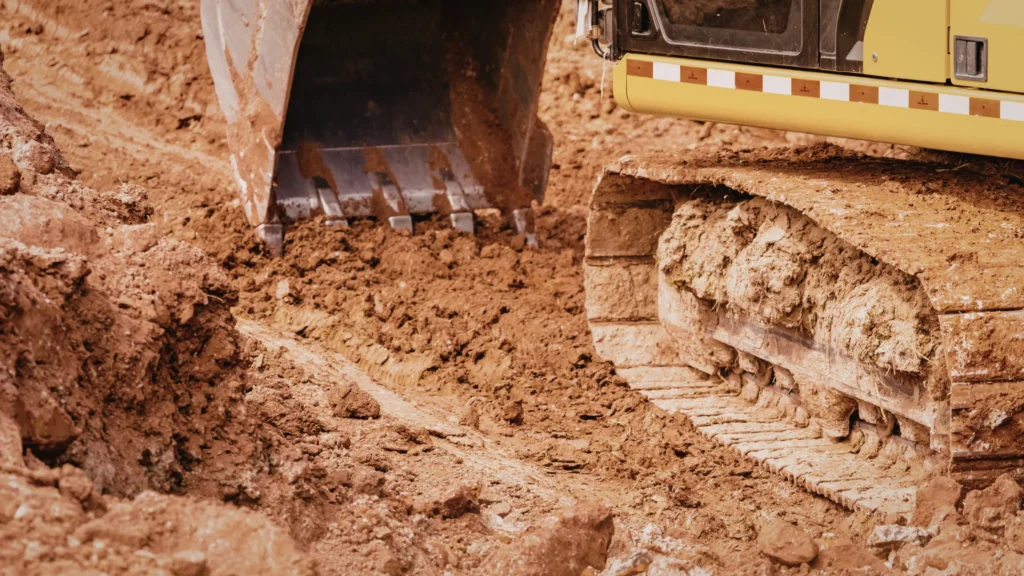
- Firmer, more stable ground that makes excavation and grading more precise
- Better site access for heavy equipment, including excavators, bulldozers, and compactor rollers
- Faster debris and spoil removal without waterlogged conditions slowing haulage
- Cleaner site surveys and layout work before construction begins
Projects that begin during the dry season can complete critical groundwork before wet conditions set in, reducing delays and improving overall project efficiency.
What About Wet / Rainy Season Jobs?
Adequip operates year-round. If your programme runs into the wet or rainy season, or if a project simply cannot wait, we take those jobs on. The honest advice is that wet or rainy season earthworks require more planning: ground conditions need to be assessed more carefully, equipment selection matters more, and compaction testing is more likely to require additional passes to meet specification. We factor that into how we approach the job from the start, rather than discovering it on site.
For civil engineers and project managers working to a fixed programme, the practical implication is straightforward. Schedule your critical earthworks during the dry months where you have a choice, and where you do not, give us enough lead time to plan the job properly.
What Types of Earthworks Projects Benefit Most from Dry Conditions
Not every construction task is affected equally by the wet / rainy season, but the following are the jobs where timing makes the biggest practical difference.
Land Clearing in Trinidad: Why Dry Conditions Make It Easier
Clearing vegetation, removing old structures, and levelling a site is far easier when the ground is dry. Heavy machinery can move efficiently across the site, spoil can be loaded and hauled without getting bogged, and there is less risk of weather interruptions during the process.
Starting a land clearing project in the dry season also allows the cleared site to settle and drain properly before periods of heavy rainfall, reducing the risk of soil erosion.
Excavation for Foundations, Trenches, and Drainage
Dry season soil provides stable, predictable conditions for digging. Foundation excavations require clean cuts and accurate depths. Trench walls are more stable when soil moisture is low.
For civil engineers, the compaction benefit is worth noting specifically. Achieving required density on a wet site often means multiple additional passes and the risk of failing compaction tests. Dry conditions give you better density results on fewer passes, which reduces both cost and programme time on that phase.
Drainage trenches completed in dry conditions can also be properly inspected, lined, and backfilled before being exposed to heavy rainfall.
Site Preparation and Earthworks Before Construction
Site preparation covers clearing, excavation, grading, and compaction. When these tasks are completed in dry conditions, each stage supports the next more effectively. Grading is more accurate, compaction achieves better density, and the final site condition is more reliable for construction. This is especially important for buildings, roads, driveways, and large-scale developments.
Demolition and Site Clearance
Demolition produces debris that needs to be cleared, loaded, and hauled. Dry conditions make this process faster and safer, reducing delays caused by mud, standing water, or limited site access.
For projects where demolition is the first phase, completing it during the dry season allows earthworks and construction to follow without weather-related interruptions.
Understanding Seasonal Timing for Earthworks in Trinidad
May is typically considered a transitional month. According to the Trinidad and Tobago Meteorological Service, late May often marks the shift toward the wet / rainy season as rain-bearing systems begin to move northward.
Historical patterns show that consistent rainfall can begin as early as late May in some years, although exact timing varies.
For this reason, many contractors and developers aim to schedule earthworks during the dry season months, when conditions are more predictable and suitable for heavy equipment operations.
This is not about rushing decisions or skipping planning. It is about aligning project timelines with seasonal conditions to reduce risk and improve efficiency.
How to Plan Your Earthworks Project in Trinidad
Whether you are a homeowner preparing a site for a new build, a developer clearing land for a residential project, or a contractor managing site preparation for a commercial development, the first step is understanding what your project requires.
Key questions to consider before you call:
- What type of earthworks is needed?
- What is the approximate size of the site or area involved?
- Is the site accessible for heavy equipment, or does access need to be prepared first?
- Do you have planning approvals in place for the work?
Having a clear scope helps you get accurate pricing and ensures the right equipment is allocated to your job.
Adequip’s Heavy Equipment and Earthworks Services Across Trinidad
At Adequip, we provide the heavy equipment, skilled operators, and haulage services that earthworks projects require. Our fleet includes excavators, backhoe loaders, skid-steer loaders, compactor rollers, and water trucks.
Our bulldozer fleet covers light through to heavy clearing and grading. We operate D4-equivalent machines suited to residential lots and tighter sites, D6 for mid-scale commercial work, and D8-class machines for large-scale land clearing and rough grading on major developments. If you are scoping equipment for a project, tell us the site area and ground conditions and we will advise what size makes sense.
We work with both homeowners and commercial clients. Whether you are clearing a residential lot, preparing a foundation, excavating for drainage, or carrying out large-scale site preparation for a development, we can discuss your requirements and advise on the right approach and equipment for the job.
Our team is based West Trinidad and we serve clients throughout Trinidad and Tobago.
Plan Your Earthworks Project with the Right Timing
If you are planning an earthworks project, aligning your timeline with Trinidad’s dry season can make a measurable difference in cost, efficiency, and overall project outcomes.
Contact Adequip today to discuss your project requirements and schedule your earthworks services before the rainy season begins. Our team is available 24/7 for service inquiries.