
The most common question people ask before arranging heavy equipment rental in Trinidad is: how much does it cost?
It is a fair question, and the straightforward answer is that it depends. This isn’t to avoid the question, but because the variables influencing rental costs genuinely differ with each job. Hiring a backhoe for a week on a large residential site in Chaguanas is fundamentally different from renting the same machine for two days at a compact site in Diego Martin.
This article explains what those factors are, walks through the key pricing considerations for each type of equipment Adequip operates, and helps you know what information to have ready before you call for a quote for heavy equipment rental in Trinidad.
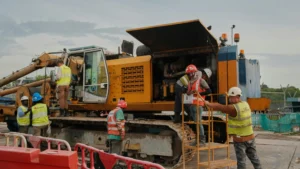
Why there is no single fixed rate for heavy equipment rental in Trinidad
Heavy equipment rental in Trinidad does not operate like hiring a car, where you select a category and pay a flat daily rate. Construction work requires pricing that reflects multiple variables, which shift from job to job.
The main ones are:
The type of equipment.
A mini excavator costs less to hire than a large excavator in the 13 to 37 tonne range. A skid-steer loader is priced differently from a bulldozer. Each machine has different fuel consumption, maintenance requirements, and operating complexity, and that is reflected in the rate.
Whether an operator is included.
Some clients have their own certified operators. Others need the rental to come with an experienced operator who can safely run the machine on site. An operated rental includes the cost of the operator’s time and is priced accordingly.
Rental duration.
Day rates, weekly rates, and longer-term arrangements are structured differently. The longer the hire period, the more flexibility typically exists. A two-day job is priced differently from a two-week engagement for the same machine.
Site location and transport.
Getting equipment to a site in Port of Spain is a different logistical proposition from delivering to Mayaro, Moruga, or Toco. Transportation distance and the complexity of getting heavy machinery to a site affect the overall cost of the job.
Site conditions.
A flat, accessible site with good road access allows equipment to be deployed quickly. A site with steep grades, soft ground, restricted access, or underground utilities requires more planning and, in some cases, different equipment, both of which affect the quote.
Scope of work.
A provider needs to understand what the machine is actually going to do. Digging a foundation trench, clearing several acres of land, and compacting a roadbed are all different scopes with different outputs, which affect how long the equipment will be needed and how the job should be priced.
How scope affects pricing for each type of equipment
Here is a plain-language guide to the main equipment types Adequip operates and the specific factors that determine what each one costs to hire for heavy equipment rental in Trinidad.
Excavators
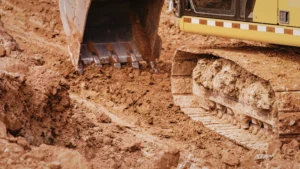
Excavators are used for digging foundations, trenching, demolition support, and bulk earthmoving. The size of the machine matters significantly here. Mini excavators in the 3 to 5 tonne range suit smaller residential jobs and tight spaces, while larger machines in the 13 to 37 tonne range handle commercial-scale earthworks. For excavators, the key pricing factors are machine size, the depth and volume of excavation required, whether an operator is included, and the duration of hire.
A homeowner digging a small trench for a drainage line needs a very different setup from a contractor excavating a foundation for a multi-unit development. Both jobs use an excavator. The scope of work is what makes those quotes different.
Backhoe Loaders
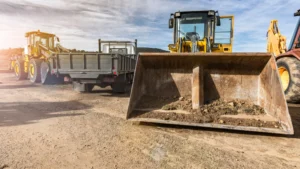
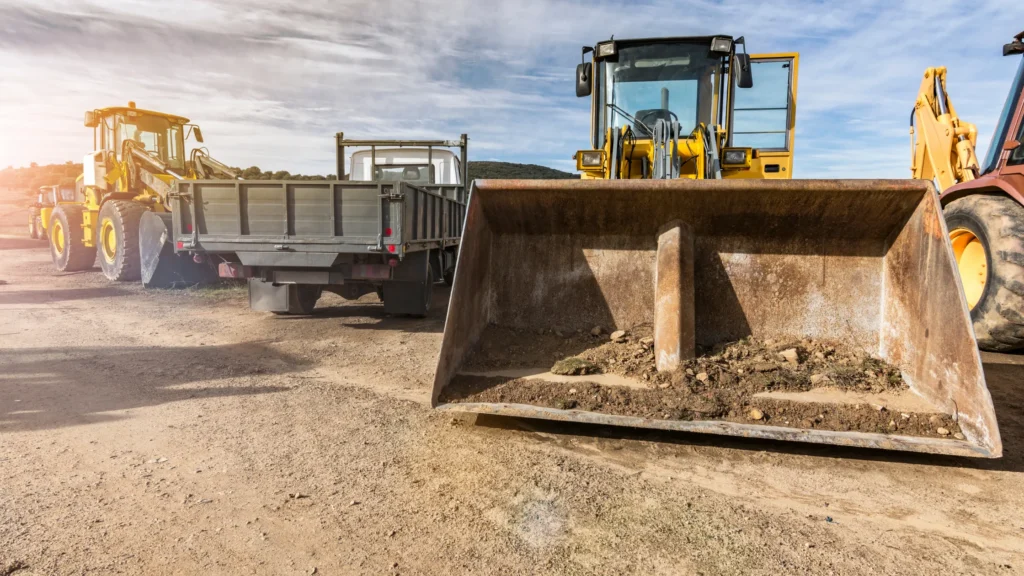
Backhoe loaders are versatile machines that can both dig and load material. They are well-suited to mixed tasks across a site and are among the most commonly requested machines for residential and light commercial work. Pricing follows a similar logic to excavators. The nature of the work, the duration, and whether an operator is required are the main variables.
Bulldozers
Bulldozers are used for clearing land, pushing large volumes of earth, and rough grading. The size of the dozer matters. A smaller D4 is appropriate for lighter clearing and grading work, while a D6 handles larger commercial clearing jobs. For bulldozers, the scale of the area being cleared or graded has a direct relationship to how the job is priced. A small backyard clearing is a short engagement. Several acres of dense vegetation with difficult terrain are a longer, more involved job.
Skid-steer Loaders
Compact and manoeuvrable, skid-steer loaders are useful in confined spaces for moving material, demolition debris, or aggregate. They are often hired for shorter periods as part of a broader job. Because they are typically used for a specific, time-limited task within a larger project, duration is usually the primary pricing factor.
Compactor Rollers
Used for compacting soil, gravel, or aggregate on roadbeds, driveways, and site bases. Compactors are typically hired alongside other earthmoving equipment rather than as standalone hires. The extent of the area being compacted and how many passes the job requires determines how long the machine is needed on site.
Crane Trucks
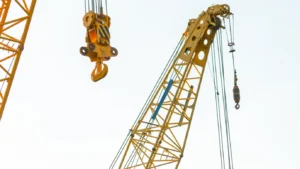
Crane and lifting work is one of the more variable categories in terms of pricing. The load weight, required reach, complexity of the lift, site conditions, and duration all play a role. A simple material placement on a straightforward site is a different job from positioning a large structural element at height in a confined urban location. Crane work almost always requires a site-specific conversation before a quote can be provided.
Water Trucks
Used for dust suppression on active construction sites and for delivering water to locations where a direct water supply is not available. Pricing depends on the frequency of use, the volume required, and the distance from the water source to the site. A project that needs dust suppression daily across a large cleared area will have a different arrangement from a single delivery to a remote site.
Flatbed Trucks and Trailers
Used for the haulage of materials, equipment, and aggregate. Pricing is primarily distance and load-based. The weight and dimensions of what is being moved, the destination, and the number of trips required are the variables that determine cost.
Lighting Towers and Generators
These are hired for night work on construction sites, events, or emergency power requirements. Because they are less dependent on site-specific conditions than earthmoving equipment, they tend to have more predictable daily arrangements. Duration and the number of units required are the main considerations.
What Every Heavy Equipment Rental Quote in Trinidad Has in Common
Regardless of the machine or the job, every quote comes down to the same core question: what does this job actually require?
A professional equipment provider will want to understand the full scope before giving you a number. This is not about making things complicated. It is about making sure the equipment they send is the right fit for the work, the operator is prepared for the conditions, and nothing surprises anyone once the job starts.
Jobs that are quoted without understanding the scope tend to run into problems later. Either the equipment is not suited to the site, the duration was underestimated, or unexpected site conditions create delays that could have been anticipated. A proper quote conversation upfront avoids all of that.
What to have ready before you call for heavy equipment rental in Trinidad
Having the following details ready before you contact a provider will get you to a useful quote faster.
Where is the site?
Location affects transport logistics and cost.
What type of work needs to be done?
Land clearing, excavation, demolition, haulage, lifting, compaction. The type of work determines what equipment is appropriate.
How big is the area or scope?
Approximate acreage for clearing, depth and length for excavation, or tonnage for haulage. You do not need precise figures, but a rough sense of scale helps.
How long do you need the equipment?
An estimate of the number of days gives a provider the basis for a structured quote.
Do you need an operator?
If yes, say so upfront. If you have your own qualified operator, confirm that as well.
What are the site access conditions?
Is the site near a main road? Is there a proper access track? Are there overhead obstacles, narrow gates, or soft ground that heavy equipment would need to navigate?
Getting a Quote for Heavy Equipment Rental in Trinidad
At Adequip, we quote based on the job, not off a fixed price sheet. When you contact us, we will ask about your site, the work you need done, your timeline, and any conditions we should know about. From there, we give you a clear and honest picture of what it will cost.
We serve clients across Trinidad and Tobago, from homeowners with smaller residential projects to contractors managing large commercial developments. Every inquiry gets the same attention.
To get a quote, contact us online or call us directly at +1 (868) 270-4300. Our team is available 24/7 for service inquiries.